
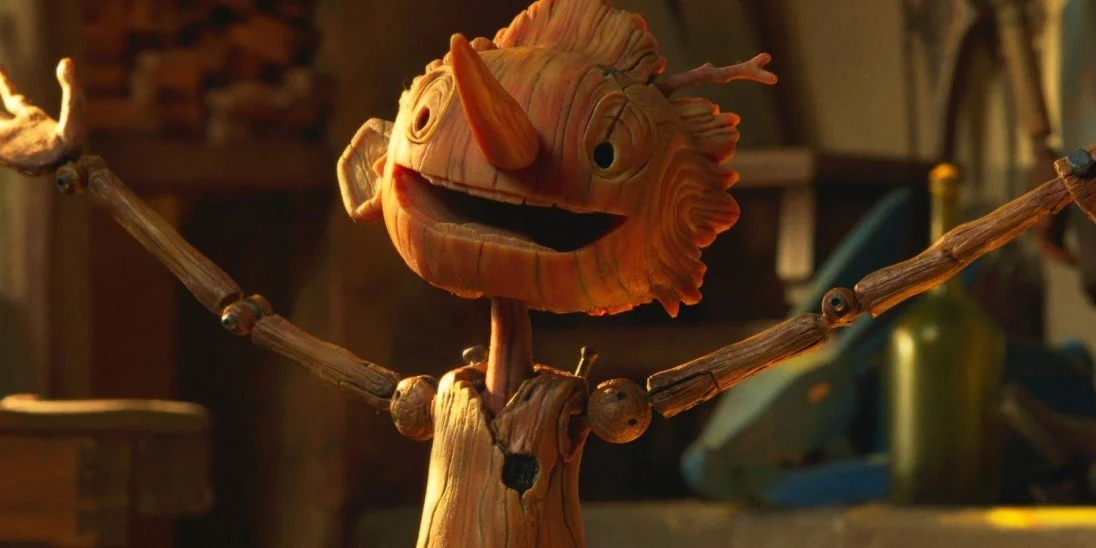
Real Puppets + Real Lights + Real Cameras = Real Magic!
Stop-motion animation is a physical art form unlike anything else. It involves a mastery of lighting, camera work, puppetry, and more! There are several extremely important components to every stop-motion film, whether it be a short like our film Weirdos, or a feature film like Guillermo del Toro’s Pinocchio.
5 Things That Make Stop-Motion Beautiful
Texture: This begins early in production design. You get to decide what materials you want to work with. Are you a LEGO animator? Or do you prefer clay? Perhaps felt? It’s up to you, but whatever you decide, make sure it serves your project and inspires you.
Sets: Sets are one of the most important parts of stop-motion. They can be a key factor in making your film feel like a real world. Nothing comes alive on a screen like a real, handcrafted set.
Puppets: What kind of puppets do you want to use? How big do you want them to be? What kind of actions do you want to be capable of executing? It’s all up to you!
Animation: Animation styles vary from project to project, from animator to animator. Everyone brings their own unique style to the screen. Some people are masters at animating monsters, for example, while others might come up with the most unique walk cycles for each individual character. The best part about animating for stop-motion, though, is that everything is tangible. You can really tell when you watch it.
Storytelling: Storytelling for stop-motion is pure imagination. It’s the grown-up version of playing with action figures and creating a backstory for each of them. When you work in stop-motion, you never have to grow up.
A bonus about stop-motion is that it’s a kid-friendly art form. It encourages creativity, learning, and even collaboration with other kids or their parents. It can be a truly magical experience for parents and kids to enjoy together.
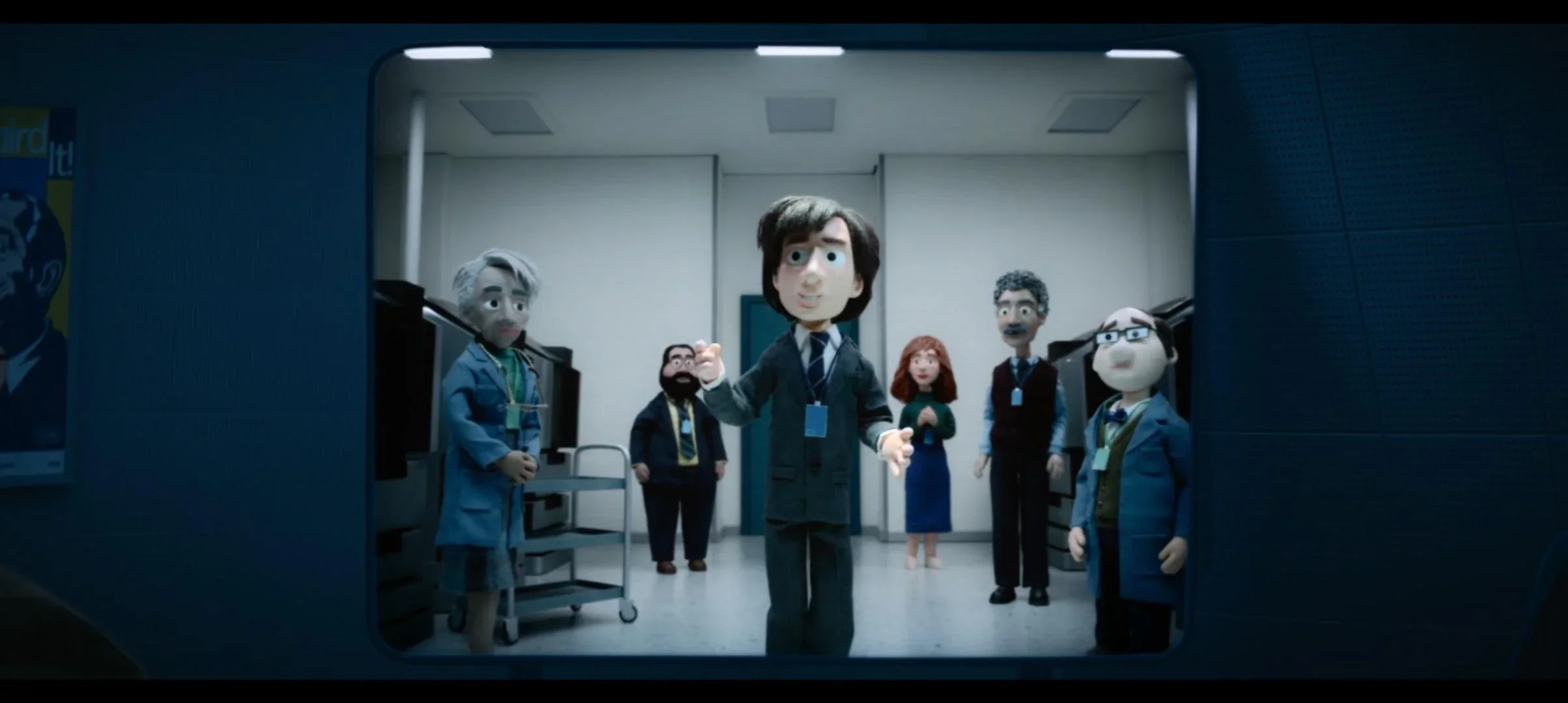
How our friend Michael Granberry Kills it in Stop-Motion
This week we spoke with Michael Granberry. Michael has a wide range of experience animating on films like Pinocchio, and animation directing on shows like Severance. Here’s some advice based on his own experience with a career in stop-motion.
Use what you’ve got! In indie filmmaking, what you already own or have access to is key to running a production on a reasonable budget. In Michael Granberry’s case, he started with a large box of puppets he was considering discarding. He came up with a concept that allowed him to use puppets of all different types and sizes together, and made a short film out of it called Les Betes that has won several prestigious awards on the festival circuit.
Take a chance! Finish your project, get it out there. Don’t be afraid to share your work with the world. If you’re looking for a great American Animation Festival to submit your first stop-motion short to, check out PFCAT.
Stay busy! Even if you aren’t on a paid job, find ways to occupy your time that will further your learning or career. As Michael says, “We’re always growing if we’re always working.”
If you’d like to listen to a longer discussion with Michael Granberry about stop-motion animation, check out the latest episode of the Make It Till You Make It podcast here!
