
Toy Marketing in the Digital Age
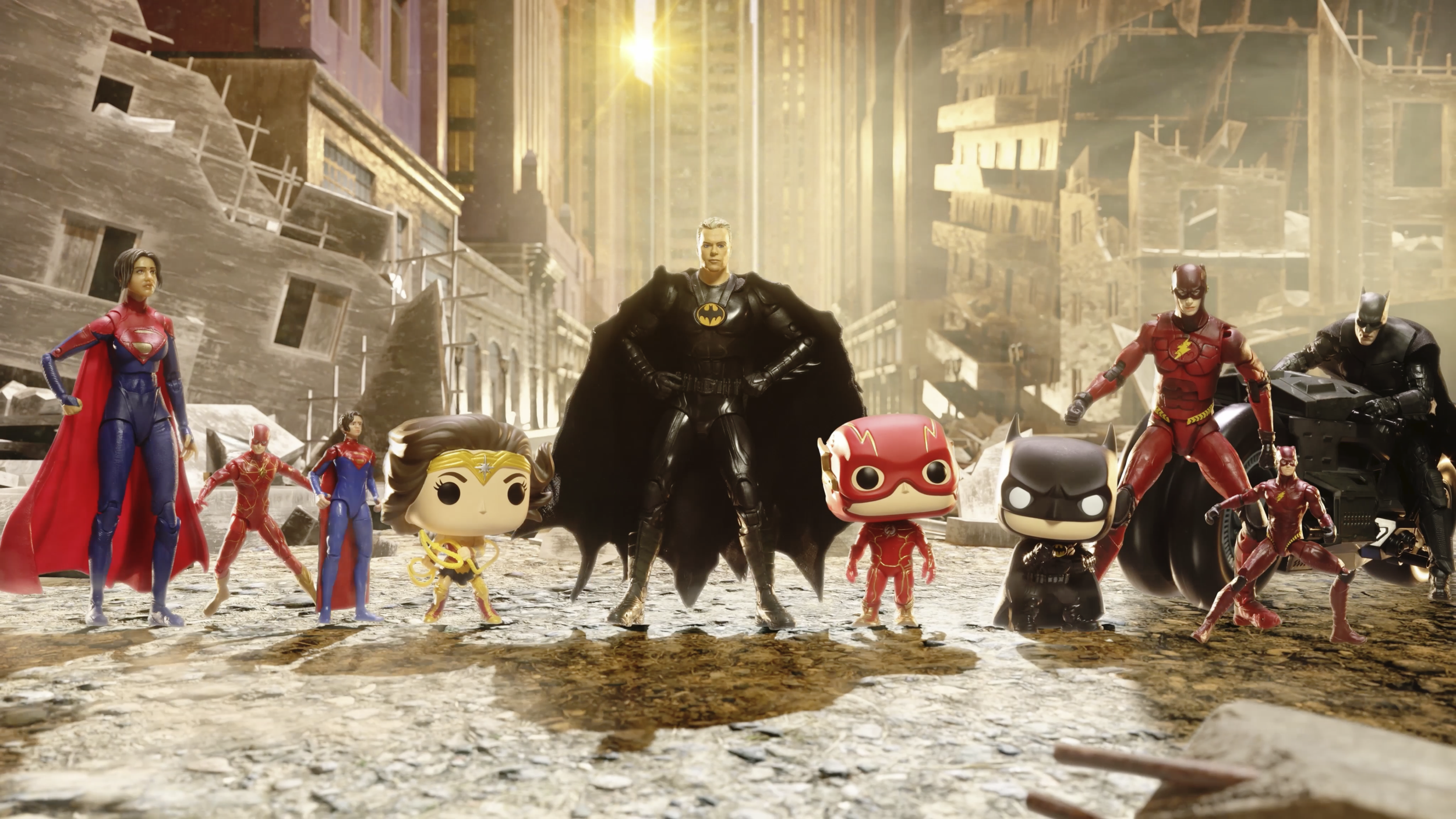
It looks a little different than it did 20 years ago!
Toy marketing used to be all about TV commercials on traditional networks, played between kids’ favorite shows. Most people who grew up during the 2000s or earlier can probably remember their favorite toy ad. Now, toy marketing is mostly focused on digital media such as YouTube videos, or content on TikTok and Instagram. Instead of just the typical 15-30 second ad showing off the special features of each toy, there are narrative-style videos (such as our The Lord of the Rings | The Battle at Barad-dûr™ (ft. LEGO)), toys participating in current trends like TikTok dances, user generated content (UGC) where influencers show off their products on their own channels, and so many more.
We spoke with Nicole Smith, Toy Marketing Exec about marketing trends.
Part of the equation for toy marketing is where kids are getting their entertainment. Traditional TV is out. Kids are watching YouTube, TikTok, and Instagram. In order to target kids and make sure they’re exposed to certain toy ads, marketing campaigns need to focus on these digital platforms more than television.
Targeting kids isn’t the only key. They typically aren’t the ones purchasing the toys for themselves. Over the years, even adults have migrated towards digital platforms rather than TV. So the ads playing on social media platforms like TikTok are targeted towards the parents who are the purchasers.
There are two main ways toy marketers get their ads in front of audiences.
“Gun For Hire”: Toy marketers hire another company, such as ourselves, to create content for a toy brand. These are a lot closer to the traditional toy ads you might have grown up with on television. In our case, we’re hired to produce animated content that tells a story and shows off the play features of each toy. Once we finish the videos, they are sent back to the marketing team who pays for additional traction to the videos online in order to get them out to kids and parents.
UGC: Toy marketers connect with an influencer to create content for a toy brand. If they select someone established with a massive audience, marketers typically allow them to incorporate the toy into their usual style of content in a way they choose. If it’s a smaller influencer, marketers usually hire for what they’re specifically known for and dictate the direction of the content a little more.
In either case, both types of content typically feature on digital platforms exclusively because that’s where the audience is!
What’s old is new again!
A major trend has been rebooting old franchises. From Top Gun to Barbie to the new Masters of the Universe film, nostalgia appears to be paying off. Nicole calls this trend “new-stalgia” where fans of franchises and toys from previous generations introduce the new generation to their beloved stories and toys. It clearly works: Top Gun: Maverick grossed nearly $1.5 billion at the global box office, even during the waning months of a global pandemic. The Super Mario Bros. Movie grossed $1.36 billion at the global box office, and it’s sequel The Super Mario Galaxy Movie has already reached $372.6 million after little more than a week in theaters globally. There’s clear interest in rebooted franchises, and it makes sense for the marketers from a financial standpoint. They don’t have to convince audiences to buy into this new thing, they just have to convince old fans to come back and show it to the new generation.
If you’d like to listen to the full episode of this week’s Make It Till You Make It podcast featuring Nicole Smith, click here!
