
A Doorway to Imagination
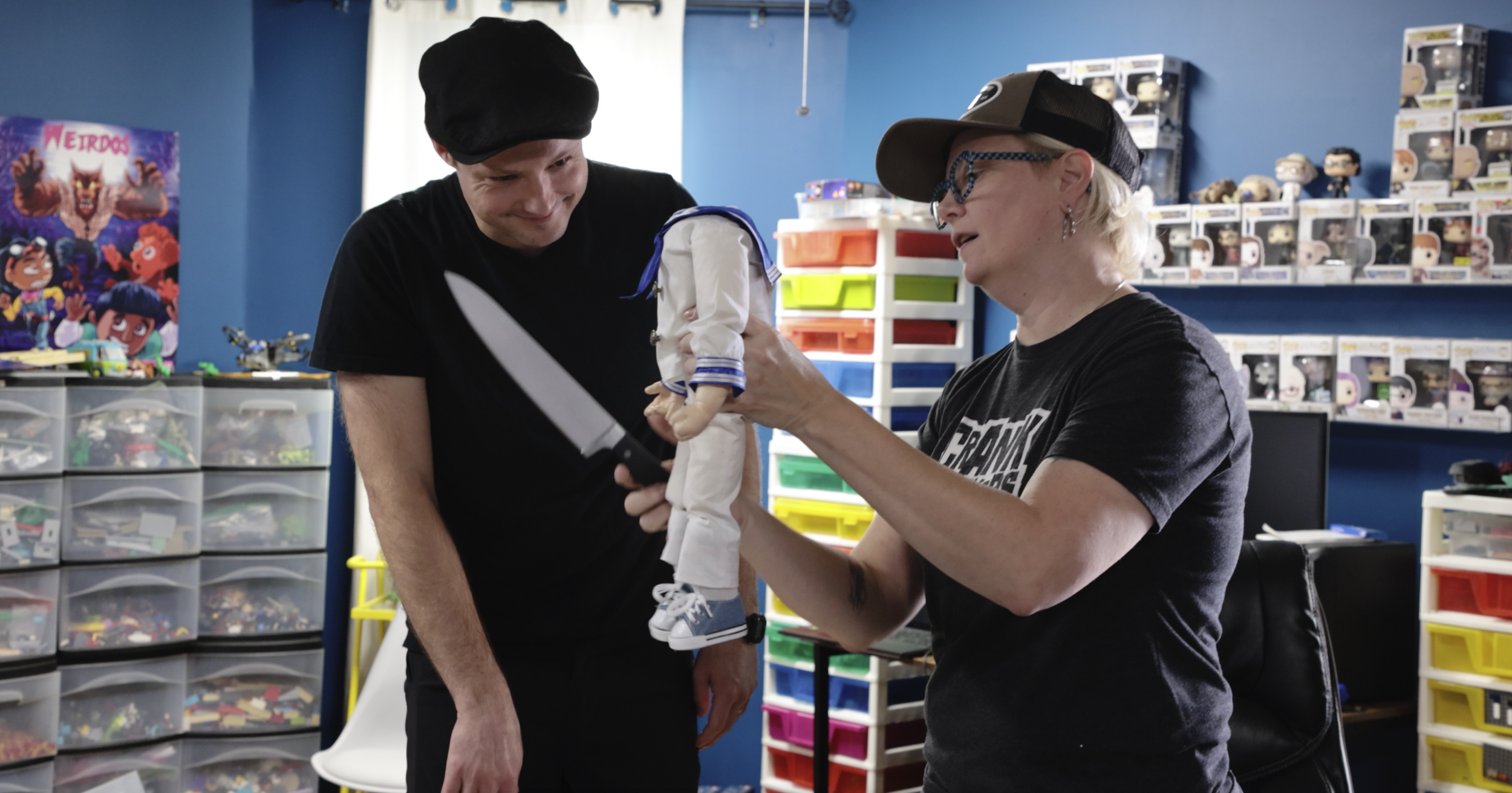
The Amazing World of Puppeteering!
So much of our entertainment has been influenced by puppets. It doesn’t matter if you’re a fan of Star Wars or Sesame Street, Labyrinth, Chucky or Aliens, there is no escaping the magical entertainment of puppets. Puppets are a gateway to imaginative worlds. If I can believe in a singing frog, it’s easier to believe a karate chopping diva pig, and how putting on one big show can save the Muppet Theatre. For me, the magic of puppetry is between the puppets and actors and how those interactions are building blocks for fantasy, sci-fi, or horror.
At Digital Wizards Studios, we have been developing our own feature film, “Playtime” (2025). Trapped in a bed and breakfast in the middle of nowhere, Faith and her friends fight for their lives against a demon-possessed porcelain doll bent on harvesting their organs to reanimate a human body. Faith and her friends must survive a psychotic series of children’s games with deadly consequences in this terrifying thrill ride that explores the fears of family loss, questions the horrors of humanity, and asks what it means to be a real boy! As part of that journey, we’ve produced a thrilling short film that will be on the festival circuit soon, and we’re taking giant steps to producing the feature film!
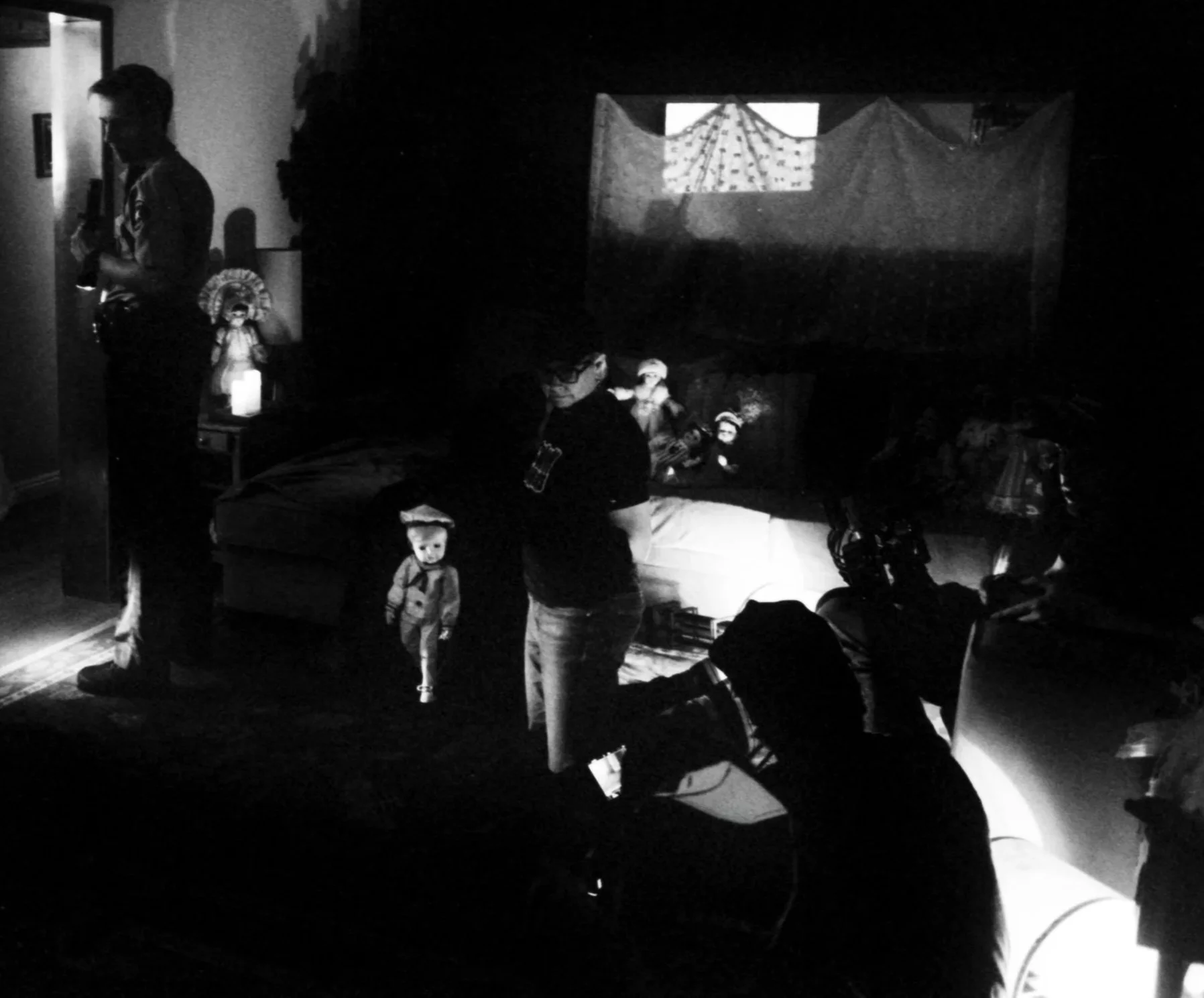
What’s scarier, clowns or dolls?
For me, it’s always been dolls since many of them are a special toy that one receives in a time of innocence. It’s the still faces, frozen in time, often caught in an emotion, be it laughing, crying or mischief.
For all you creators who are looking to add puppetry to your film, here are 5 tips to ensure a smooth production.
Pick Your Poison: What kind of puppet or puppets do you want in your film? There are marionettes, shadow puppets, hand puppets, the classic arm puppet like Oscar the Grouch from Sesame Street, and so many others. Consider how your choice of puppet will impact your film financially and in terms of the shooting schedule.
Fix It In Pre-Production: Knowing what shots you need, and which shots need clean plates is necessary for your post production team to clean up any rigs, be it strings or rods or even human arms. Plan, storyboard, and ensure you collaborate early and often with your puppet team.
Physical Space: Puppeteers occupy space. Think about where the puppeteer is going to hide. Ideally, you should construct your set or environment around the puppeteer in order to avoid complications during the shoot. If this isn’t possible, make sure you and the puppet team have plenty of time to rehearse in realistic shooting conditions so they are as prepared for any obstructions as they can be.
They Need To See: Have a large monitor on set just for the puppet team. They may need more than one, so discuss this in pre-production when you’re rehearsing and blocking. Sometimes your puppeteers will be looking in different directions in order to move the puppet correctly, so plan for this in advance.
Break Down The Action: Puppets have limitations! Having too many physical actions for them in one shot can create significant delays on set while the puppeteers problem solve. Consult your puppet team if you’re unsure whether something in your script is achievable with the type of puppet, the team you have, and the equipment you have access to.
One last (extremely important) detail: your actors get snack breaks and time in the makeup chair. Think of your puppets and puppeteers as performers. Be considerate of the spaces you’re asking them to work in and provide comfort, water and breaks!
For a deep dive into the fantastic world of puppets, check out the third episode of the “Make It ‘Til You Make It” podcast here!
